

Key Points
- You can buy a house with no money saved for a deposit using routes like gifted deposits, concessionary purchases, and 0% deposit mortgages.
- Even without a deposit, you’ll still need to budget for unavoidable purchase costs such as solicitor fees, surveys, and potentially Stamp Duty.
- It’s important to speak to a mortgage advisor as the right route depends entirely on your personal circumstances.
Getting on the property ladder is undoubtedly one of the most significant milestones in life, but with house prices rising and wages remaining stagnant, many young people feel they have no chance of ever becoming homeowners.
The statistics paint a rather sobering picture. The average first-time buyer deposit in the UK was £61,090 in 2024, equivalent to 20% of the average first-time buyer purchase price of £311,034. According to data from Nationwide, the typical first-time buyer still needs close to six years to save for a 10% deposit. In London, that figure stretches to nine years.
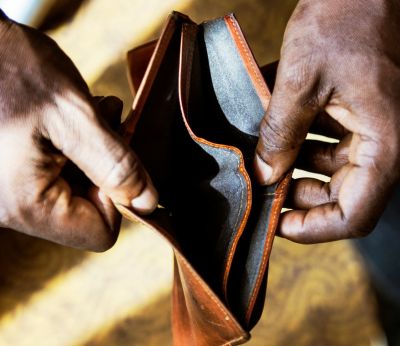
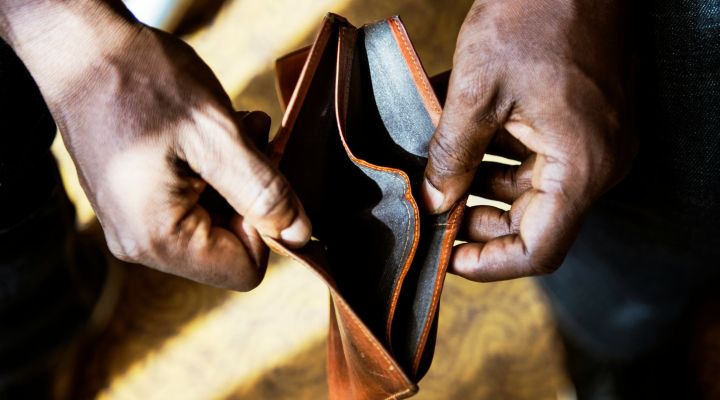
Imagine how amazing it would be if you could somehow buy a house with no money saved for a deposit. Well, unbeknownst to many, there are genuine routes that allow you to do this, and if you want to learn about them, you’re in the right place.
The 4 Ways to Buy a House with No Money
Before we dive into the ways you’re able to buy a house with no money, it’s important that you understand that when we talk about buying a house with no money, we’re primarily referring to having no cash deposit saved. There are still some unavoidable costs involved in any house purchase (more on those shortly). But without any further hesitation, here’s the information you actually came here for…
1. Concessionary Purchase
A concessionary purchase (also known as a below-market-value purchase or gifted equity purchase) is where someone sells you a property for less than its market value and the discount acts as your deposit.
This most commonly occurs in family situations. For example, if your parents own a property worth £250,000 and agree to sell it to you for £200,000, the £50,000 discount is treated by the lender as a gifted deposit of 20%. You will then only need a mortgage for £200,000 and legally own the house without having put down a cash deposit.
However, concessionary purchases are not restricted to parents; other eligible options include:
- A landlord selling a rental property to a long-standing tenant (typically after at least 12 months of tenancy)
- An employer, in some cases, as part of a staff benefit scheme
- A property developer (less common and more difficult to get lender approval for)
There are a few important things to note when it comes to concessionary purchases:
- The discount must be a genuine gift, not a loan
- The seller must have no ongoing financial interest in the property after the sale completes
- Lenders will usually require the seller to vacate the property on completion
Overall, if your parents own a property they’re looking to sell, or you’re currently renting and would like to actually own that property, a concessionary purchase could be a way for you to buy a house with no money.
As this is a specialist area of the mortgage market that not all lenders offer, working with an experienced broker is essential to find a lender suited to your specific situation. If you would like to learn more, you can book a free initial consultation with one of our advisors today.

2. 0% Deposit Mortgage
The second way to buy a house with no money is through something many people think is a thing of the past: a 0% deposit mortgage (also known as a 100% or no-deposit mortgage).
It’s exactly what it sounds like. The lender allows you to borrow the full purchase price of a property, without needing to put any cash down upfront.
Before the 2008 financial crisis, these mortgages were widely available, with some lenders even offering up to 125% of a property’s value.
After the crisis, they were seen as too risky and became rare. However, they’re now slowly starting to make a comeback, and here are two that are currently available:
- April Mortgages – You must have a steady income (from £24k+), clean credit history, and be prepared to enter a 10 or 15 year fixed rate
- Skipton Building Society – Your track record of paying rent can be used to access Skipton’s Track Record Mortgage
While it may sound amazing that you can buy a house with no money, please bear in mind that no-deposit mortgages come with higher interest rates than standard mortgages, and without any equity buffer, you are more exposed to negative equity if house prices fall.
At The Levels Financial, our award-winning advisors can help you weigh up the long-term cost so you can move forward in confidence.
3. Gifted Deposit
A gifted deposit is money given to you by a family member (most commonly a parent or grandparent) to use as all or part of your deposit, meaning you could buy a house with no money of your own.
Gifted deposits are becoming an increasingly common way for first-time buyers to get on the property ladder. In fact, a staggering £9.6 billion was sent from family members to first-time buyers in 2024 alone. Meanwhile, half of first-time buyers in 2025 received support from the Bank of Mum and Dad.
However, it’s not as simple as having your parents just transfer some money into your bank account. Here are some key things you need to know about gifted deposits:
- It must be a genuine gift with no expectation of repayment
- The gift giver has no legal rights to your property
- You must declare the gifted deposit to your lender (failing to declare it is considered mortgage fraud)
Of course, your parents might not be able to help financially, but if they can, it’s well worth a conversation. Even a few thousand pounds could be enough to move from a 0% to a 2% deposit, which would give you access to slightly better interest rates.
There are also other ways your parents can help you get on the property ladder, which you can read about by clicking here.

4. Right To Buy Scheme
If you are a council or housing association tenant, the Right to Buy scheme could be your way to buy a house with no money.
This scheme allows you to purchase your home at a significant discount, potentially up to 70% off the market value, depending on how long you have been a tenant.
Just like with a concessionary purchase, this discount can then act as your deposit.
The Hidden Costs You Still Need to Budget For
While the routes above can help you buy a house with no money for a deposit, you unfortunately cannot buy a house with absolutely zero cash. There are several unavoidable costs involved in any property purchase that you’ll need to have ready.
Here’s what to budget for:
| Cost | Typical Amount | Notes |
|---|---|---|
| Solicitor/Conveyancing Fee | £1000-£1500 | Covers legal transfer, searches and Land Registry |
| Stamp Duty Land Tax | £0-varies | First-time buyers: 0% up to £300k; 5% on £300k–£500k (click here to work out how much you’d have to pay) |
| Property Survey | £300 – £1500 | Informs you of the state of the property’s construction and condition (optional but definitely worthwhile) |
| Mortgage Arrangement Fee | £0 – £1500 | Some lenders will charge you a fee for arranging the mortgage |
| Buildings Insurance | From ~£120/yr | Required by your lender from day of exchange |
Ready to Take Your First Step onto the Property Ladder?
The dream of homeownership doesn’t have to stay a dream just because you don’t have thousands of pounds sitting in savings. Whether it’s a gifted deposit, concessionary purchase or 0% deposit mortgage, there are genuine ways to buy a house with no money put aside for a deposit.
The key is understanding which route suits your specific situation, and that’s exactly what we’re here to help with. Our expert advisers have access to over 12,000 mortgage products from more than 90 lenders, and we’ll take the time to understand your circumstances and find the right solution for you.
Get in touch today to book your free initial consultation and take the first step toward owning your own home.
Because we always have your best interests at heart, you need to know that your home may be repossessed if you do not keep up repayments on your mortgage.
There may be a fee for mortgage advice. The actual amount you pay will depend upon your circumstances. The fee is up to 1%, but a typical fee is 0.3% of the amount borrowed.