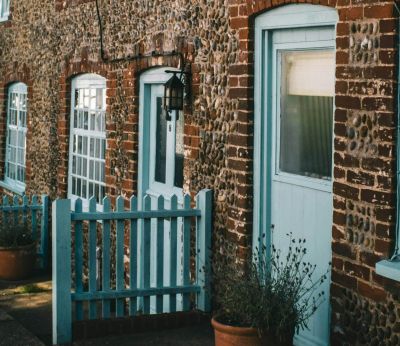


As of July 2023, only 50% of UK adults own their own homes, equalling 26.4 million people across the country who are currently homeowners. According to a survey conducted by Avanthomes.
At The Levels Financial, we know that with the changing base rates, cost of living crisis and rising house prices, it can be hard to break out of the renting cycle and own your home. This is why it is important to consider all of the benefits of buying vs renting and the possible disadvantages that come with owning your own home.
According to the HomeOwners Alliance, 86% of Britons want to own their home but are struggling. Our team of Taunton mortgage advisors are on hand to provide you with mortgage advice to best suit your situation.
What Are The Differences Between Buying A Property And Renting?
Apart from the main difference between buying and renting is that when you purchase a property, that property is yours and when you rent, you don’t own the property. Owning a home is when you have found a house that is within your budget, and desired location and you’ve saved a deposit, applied for a mortgage and signed a contract stating that you are now the legal owner of the property.
Renting is when you have signed a tenancy agreement with the legal landlords/owners of the property. By signing these tenancy agreements you often have agreed to pay the landlord a set sum of rental money and adhere to various terms and conditions such as no pets, no smoking, and no installing of additional decorations into the wall.
Advantages & Disadvantages Of Buying A Home?
When considering making a huge purchase, such as a home, it’s important to look at your life, lifestyle and goals and determine if this is a sensible choice for yourself.
| Advantages Of Buying A House | Disadvantages Of Buying A House |
|---|---|
| Security – you are in charge and can’t be told to move out within a certain time frame by a landlord | Large financial commitment – as well as having to save for a deposit (which is normally 5-10% of the overall house value) you have to ensure that you’re able to pay your bills continually, mortgage repayments and home maintenance. If your financial circumstances change, for example, you lose your job, or the interest rate rises more than you can afford, your home could be repossessed |
| Freedom – when you own your home, you have the creative freedom to decorate and use the available space however you please without sticking to a tenancy agreement | Less flexibility – when you own a home, it’s harder to relocate, take time off of work, go travelling etc. Whilst it is possible, additional factors need to be taken into consideration with potential fees |
| Investment in your future – by purchasing a home and paying off your monthly mortgage repayments, you’re building equity in your home. This equity can then be used to move up the property ladder | Changing property market – while the overall trend for property tends to show house prices rising in value, long-term. It is a volatile market and if the housing market was to reduce, you may end up with negative equity where your home is worth less than your mortgage |
For more information on purchasing a home and a mortgage, see our range of blog posts:
- First time buyer mortgages explaining: a step-by-step guide
- Inflation rate changes – what this means for mortgages
- Looking ahead to mortgage rates in 2024
- 5 benefits of being on the property ladder
- A complete guide to UK mortgage types
Advantages & Disadvantages Of Renting?
Renting is an attractive option for many adults and young adults in the UK, allowing them to live individually away from their parents, without having the stresses of owning a home.
| Advantages Of Renting | Disadvantages Of Renting |
|---|---|
| Flexibility – most rental contracts are between 6-12 months long. Giving you the flexibility to change jobs and locations if you want. Most agreements also have a month’s notice period, so if your circumstances change you can move | Rental payments – when you’re renting, your monthly rental payments are most likely going toward paying your landlord, rather than investing in your home or building up a deposit for a future home purchase |
| Maintenance isn’t your responsibility– unlike when you own a home, if things break in rental accommodation, the boiler, for example, it is the landlord’s priority to get it fixed for you, within a reasonable timeframe | Abiding by tenancy agreement rules – you will have to abide by various tenancy agreement rules, which could include restrictions to pet ownership and property modification |
| Easier budget – renting can make monthly budgeting easier. You know how much your rent is each month and if your rental agreement includes bills & utilities as well. Make it clear how much disposable income you have each month | Insecurity – when you’re renting, you’re not always in a secure location, both physically and financially. Your landlord could choose to sell the property, or not carry your lease over to the next period, meaning you have to find a new home quickly. Or, your monthly rent could be subject to sudden increases which can affect your monthly budgets |
How Can The Levels Financial, Taunton Mortgage Advisors, Help?
At The Levels Financial, we offer free initial consultations to all of our clients, whether you’re a first time buyer looking to move away from renting or you’re looking to remortgage your current property. Offering help and advice on various aspects of the mortgage process, applications and more.
For more information, or to see how we can help you transition from renting to buying, contact our team today at admin@thelevelsfinancial.co.uk or call us on 01458 772 040.
See our previous blog posts for more information:
- How to save for a mortgage in the cost of living crisis
- What is a mortgage in principle, how to get one and why do you need it
- 5 steps to increase your chances of mortgage approval
Please Note
Your home may be repossessed if you do not keep up repayments on your mortgage.
There may be a fee for mortgage advice. The actual amount you pay will depend upon your circumstances.
The fee is up to 1%, but a typical fee is 0.3% of the amount borrowed